 The Archive
Norwegian war sailors: they kept Norway alive, then they were forgotten
The Norwegian war sailors were the roughly 30,000 seamen on about 1,000 Norwegian ships who sailed for the Allies from April 1940 to May 1945. Run by Nortraship, the state's shipping office in London and New York, they carried oil, food and weapons through U-boat waters, and around 3,700 of them never came home.
 The ArchiveThe War Sailors: The Men Who Won the War at SeaWatch the film in the app
It is April 1940. Germany has just attacked Norway. But around a thousand Norwegian ships are out on the world's oceans, with thirty thousand seamen on board.
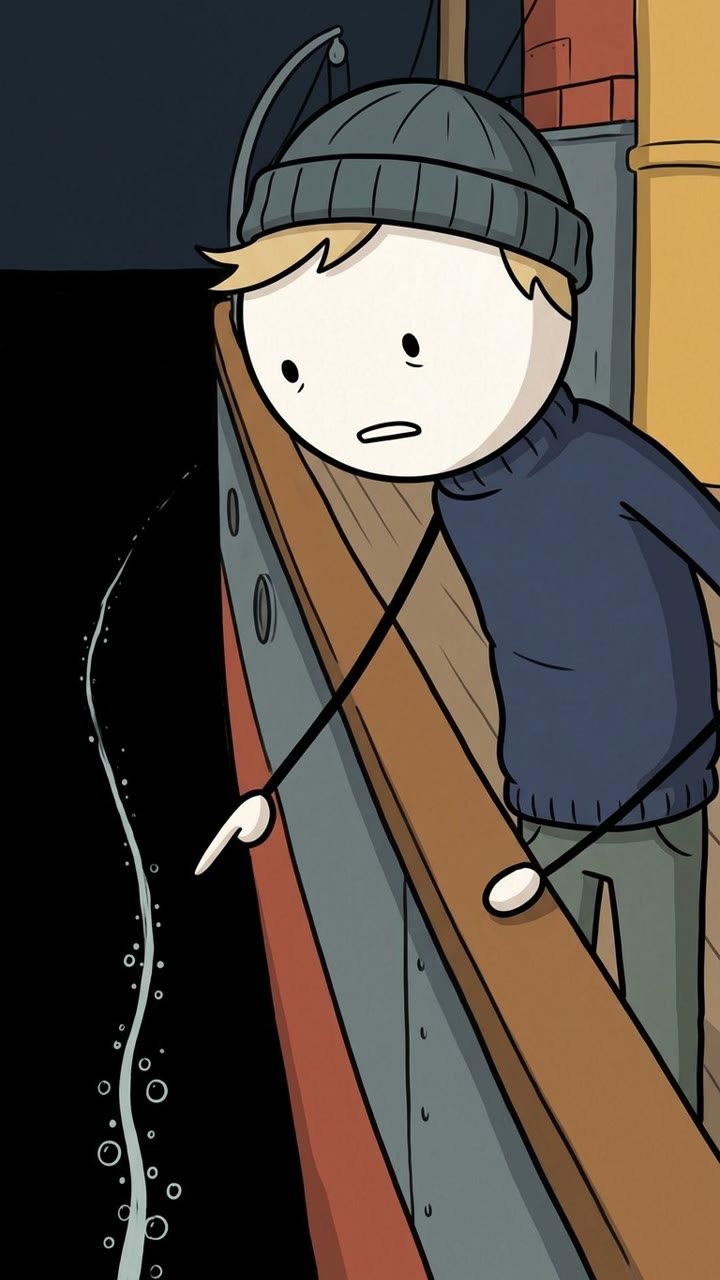
One night, a young deckhand on watch in an Atlantic convoy sees a white streak in the black water. A torpedo. The tanker is hit and the flames light up the night. The crew make it to the lifeboats, but the convoy can't stop. It sails on.
That is how about half of Norway's ships went down. This is the story of the men who sailed them.
Key facts about the Norwegian war sailors
- Who: about 30,000 seamen on roughly 1,000 Norwegian merchant ships that were outside Norway when Germany invaded in April 1940.
- Nortraship: on 22 April 1940 the Norwegian government requisitioned the whole fleet. The new office, Nortraship, became the largest shipping company in the world.
- Oil: in the first two years of the war, Norwegian tankers carried about a third of Britain's oil: 157 tankers, 615 voyages.
- Losses: about 500 ships of the outside fleet were lost. Most sources say around 3,700 Norwegian seamen died, and more than 4,000 if foreign sailors on Norwegian ships are counted.
- Apology: on 3 August 2013, in Risør, the Norwegian state apologised for how the war sailors were treated after the war.
Why did the Norwegian merchant fleet matter so much?
In 1939 Norway had the fourth largest merchant fleet in the world. A merchant fleet is all the ships that carry goods for a country. And nearly a fifth of all the world's tankers were Norwegian.
That mattered, because without fuel no plane flies, no tank moves and no warship sails. A British politician put it bluntly: without the Norwegian tankers, the fighter planes would not have had enough petrol.
Many people assume Norway's biggest contribution to the war was the saboteurs and the resistance at home. But many historians believe it was the merchant fleet.
What happened to Norwegian ships when Germany invaded in 1940?
When Norway was attacked, the ships at sea got two sets of orders. Quisling and the Germans told them to sail for German or neutral ports. British radio stations broadcast something else, every two hours for a full day and night: sail to an Allied port.
The captains refused to listen to Quisling. Most of the ships at sea set course for the Allies. Only the ships lying in ports the Germans controlled were lost to the Allied side.
But that left a problem. The shipowners were stuck in occupied Norway. So who would run the fleet?
What was Nortraship?
On 22 April 1940, meeting at Stuguflåten in Romsdal while the fighting went on, the government made a huge decision. It requisitioned the entire fleet, which means the state took over the ships.
A new office opened in London. It was called Nortraship, the Norwegian Shipping and Trade Mission. Its head was the director of shipping, Øivind Lorentzen. He arrived in London on 25 April 1940 and moved on to New York that same summer.
Picture every shipping company in a country with one shared boss. With more than a thousand ships, Nortraship was the largest shipping company in the world.
The Allies chartered the ships and paid for the freight. That money became the Norwegian government-in-exile's most important income during the war. Put simply, the ships paid for Norway's fight.
Nortraship by the numbers
| Fact | Figure |
|---|---|
| Ships under Nortraship | More than 1,000 |
| Seamen on board | About 30,000 |
| Share of Britain's oil, first two years | About one third |
| Tankers and voyages in that period | 157 tankers, 615 voyages |
| Ships lost from the outside fleet | About 500 |
| Norwegian seamen killed | About 3,700 |
What was life like in the convoys?
The sea was a battlefield. German U-boats lay in wait under the water, creeping close to fire torpedoes at the ships.
So the ships sailed in convoys: many merchant ships travelling together, with warships guarding them. Think of a group of children walking to school with adults in front and behind. The catch is that a convoy never moves faster than its slowest ship.
Convoys ran from Halifax and New York across the Atlantic to Liverpool, carrying food, fuel and weapons to Britain. From there, some went all the way north to Murmansk in the Soviet Union, through cold and darkness far into the Arctic.
For the seamen there was no front line. The enemy could strike at any time, day or night. On a tanker they sat on top of thousands of tonnes of oil, and a single voyage could last for weeks.
They couldn't go home to Norway. Their families sat at home and waited. And the ships had to go out again, trip after trip. A Norwegian book from 1967 summed it up in its title: Hver tiende mann måtte dø, "Every tenth man had to die".
Why were the war sailors forgotten after 1945?
Peace came in May 1945, and there were celebrations in the streets at home. But many war sailors came home to no one waiting on the quay, and many went straight back to sea.
What followed was a long fight over pay held back in a secret fund, invisible wounds that came to be called "war sailor syndrome", and decades of waiting for recognition. How the men who gave the most ended up getting the least back, and how they finally got their names back, is the part of the story the film tells in full in the app.
Watch the full film
The War Sailors: The Men Who Won the War at Sea follows the Norwegian fleet from the radio orders of April 1940, through the U-boat war in the Atlantic and the Arctic convoys, to the long battle for recognition after the war. It explains Nortraship, the convoys and the human cost in plain language. The whole film is in The Archive app on iPhone.