 The Archive
The Norwegian Resistance in World War 2: Underground War
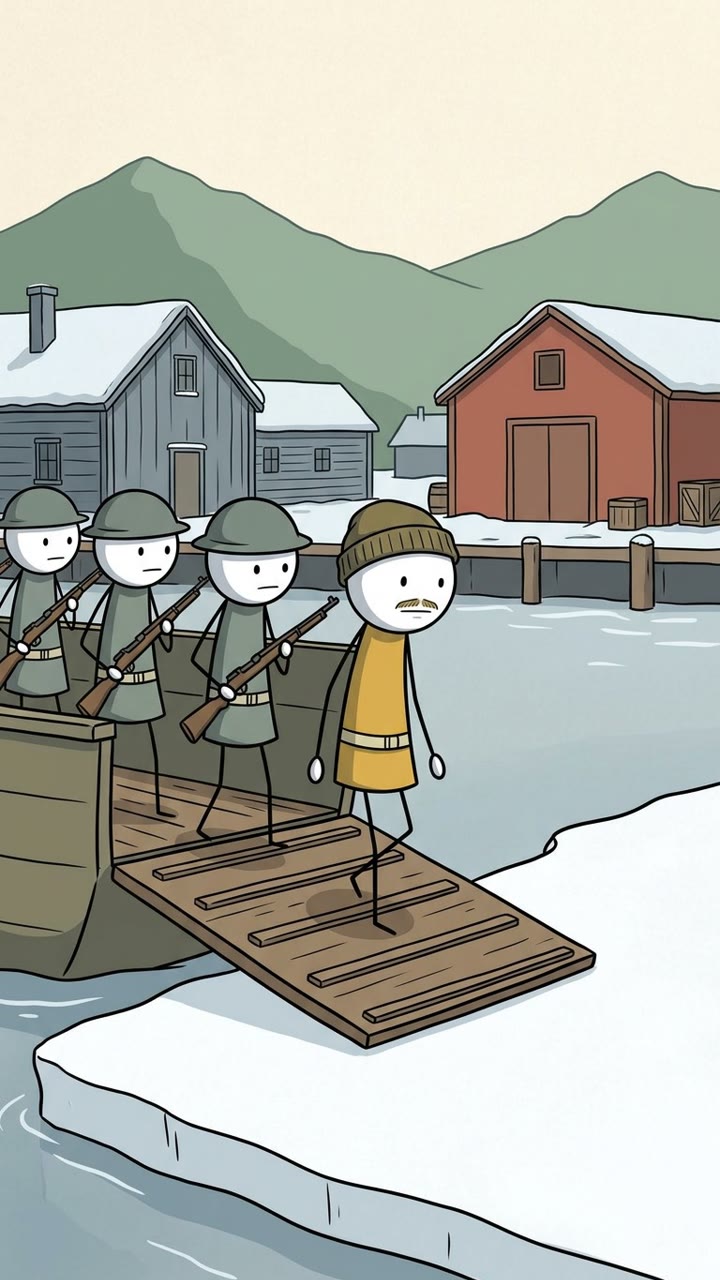
Following the German occupation of Norway in 1940, a widespread underground resistance movement emerged to oppose Nazi rule and the collaborationist regime of Vidkun Quisling. What began as civilian non-cooperation quickly expanded into an organized clandestine network operating under the direct command of the Norwegian government-in-exile.
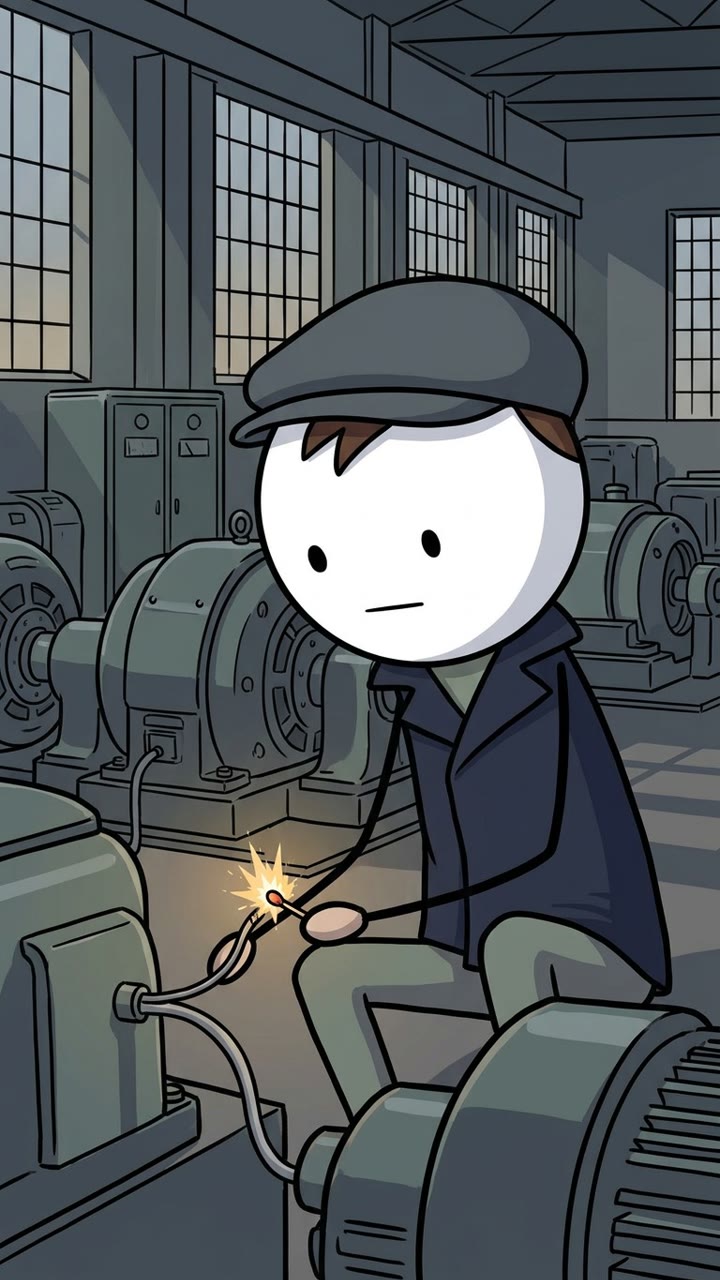
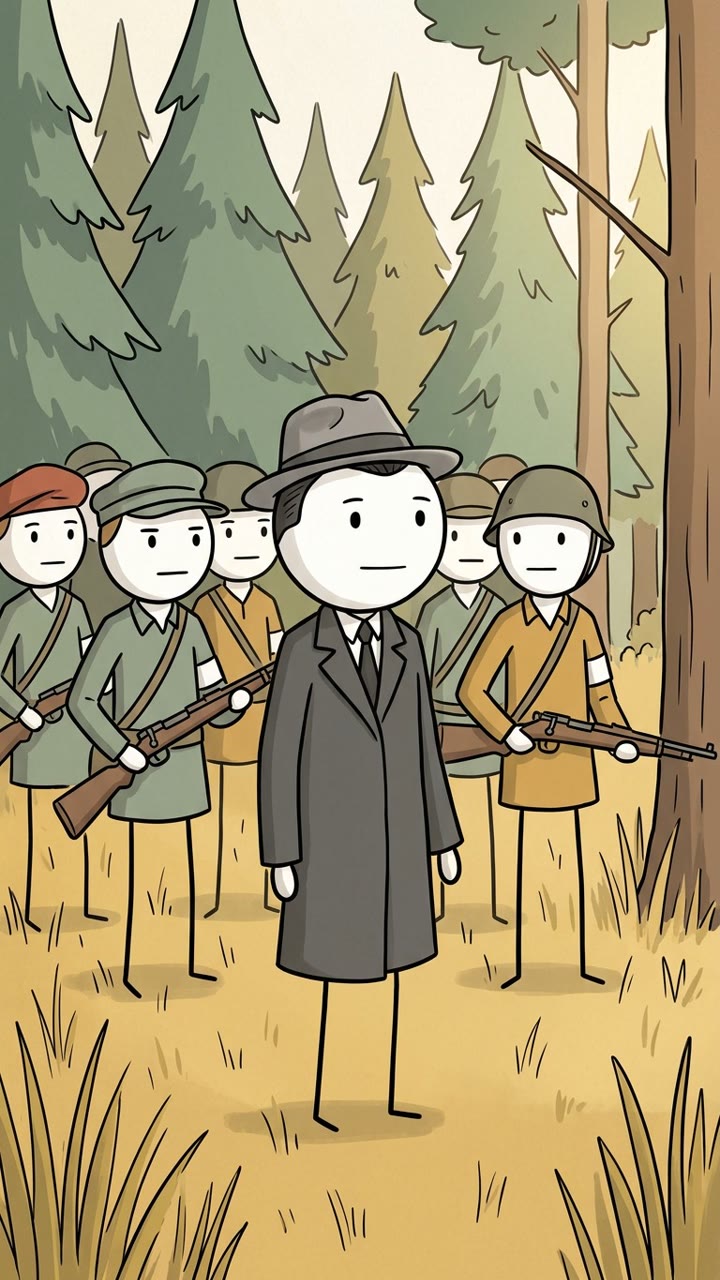
The military branch, known as Milorg, coordinated intelligence gathering, weapons drops, and secret training camps hidden deep in the Norwegian wilderness. Special operations units, often trained by Britain's Special Operations Executive, carried out audacious sabotage missions against industrial targets, railway lines, and synthetic fuel supplies to cripple the German war machine.
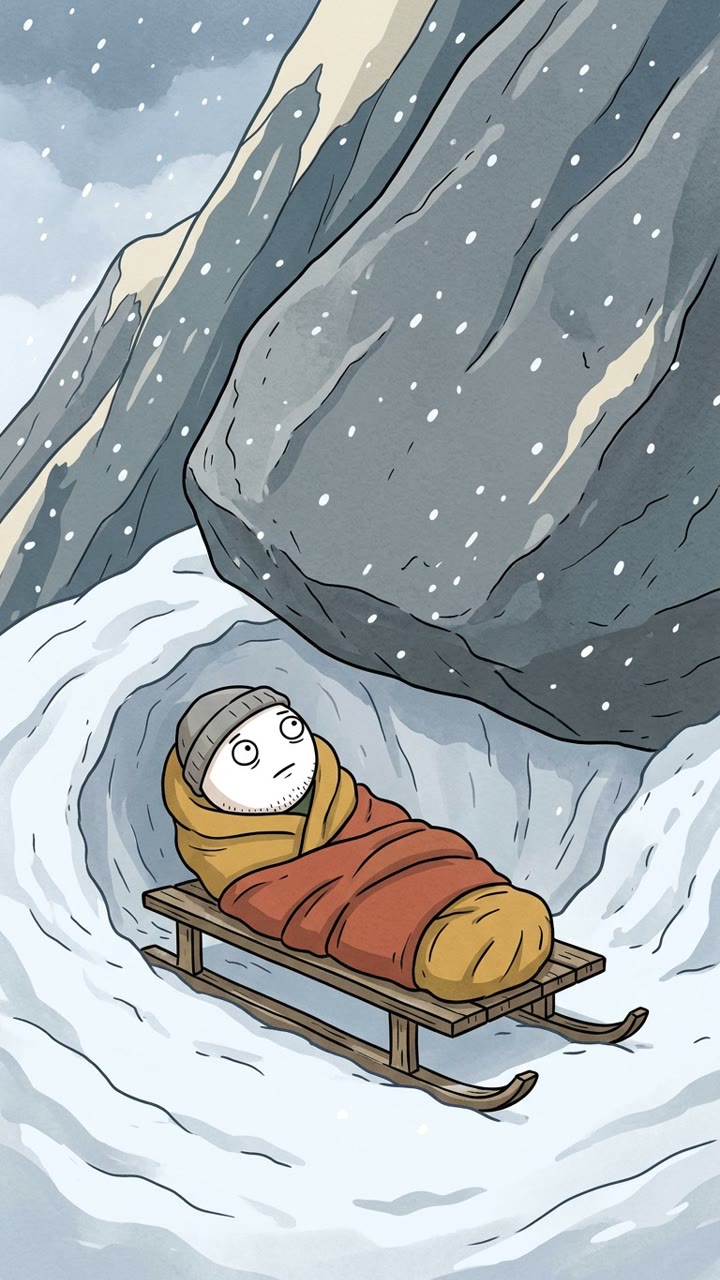
Couriers, saboteurs, and ordinary citizens risked torture and execution to maintain secret escape routes across the border to neutral Sweden. Their courage and resilience disrupted Axis operations, protected vital infrastructure from scorched-earth destruction, and preserved democratic continuity until liberation in 1945.